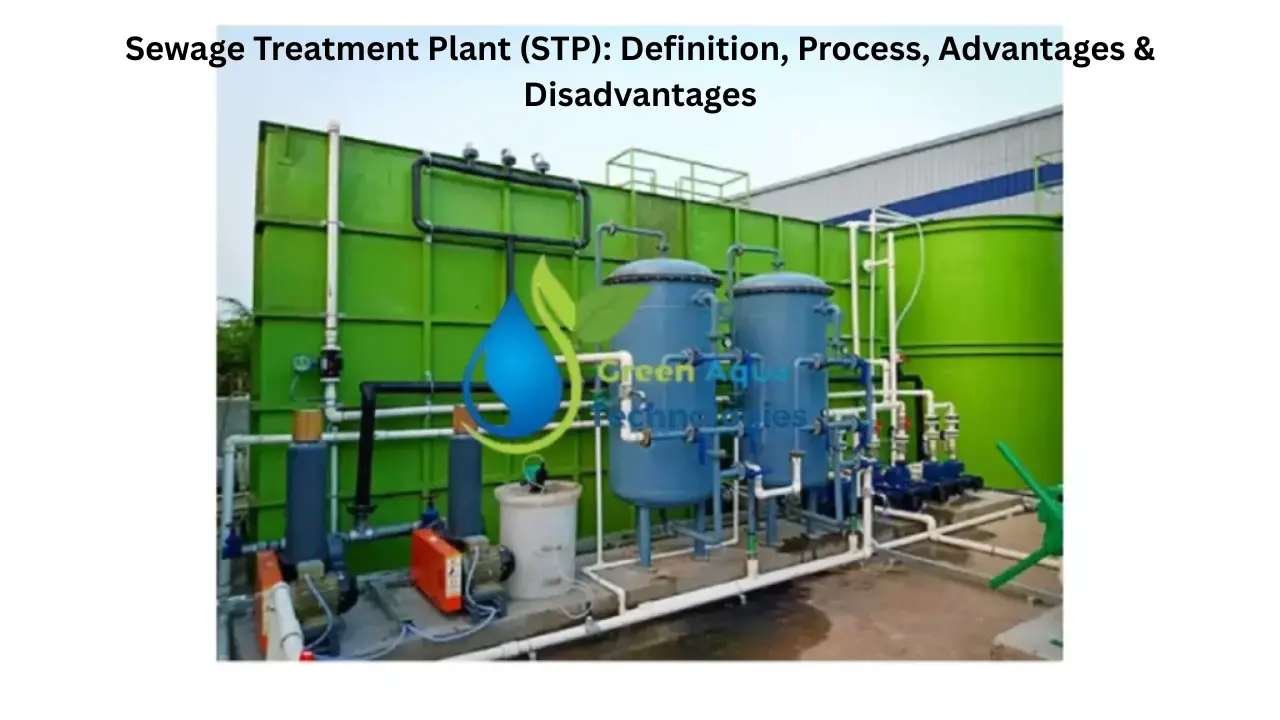
For industrial, commercial, residential, and various process applications, a significant amount of sewage and wastewater is generated daily. If left untreated, this sewage can contaminate rivers, lakes, and groundwater sources, harm aquatic ecosystems, and create serious environmental and public health risks. A Sewage Treatment Plant (STP) plays a vital role in treating wastewater by removing pollutants, suspended solids, and harmful microorganisms. The treated water can then be safely discharged into the environment or reused for applications such as gardening, flushing, cooling systems, and other non-potable purposes, promoting sustainable water management and environmental protection.
What is Sewage Treatment Plant (STP)?
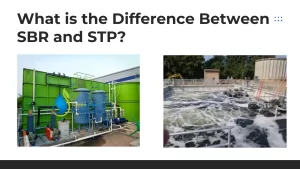
Sewage Treatment Plant (STP) is a system that removes contaminants, organic matter, suspended solids, harmful bacteria, and pollutants from wastewater. The treated water can then be safely discharged into the environment or reused for non-potable applications such as gardening, flushing, cooling towers, and landscaping.
The primary objective of an STP is to reduce pollution levels and conserve water resources through efficient wastewater treatment.
STP Definition- STP Full Form
Sewage Treatment Plant (STP) is a facility designed to treat wastewater generated from residential, commercial, institutional, and industrial sources. It removes contaminants, organic matter, suspended solids, and harmful microorganisms from sewage, making the treated water safe for disposal or reuse in applications such as gardening, flushing, landscaping, and cooling systems. STPs play a crucial role in environmental protection, water conservation, and compliance with pollution control regulations.
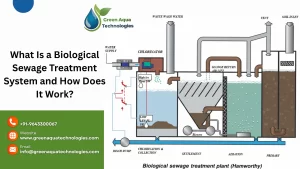
Sewage Treatment Process: STP Plant Working
1. Preliminary Treatment
This is the first stage of the STP process where large solid materials such as plastics, paper, cloth, sand, grit, oil, and grease are removed from the wastewater. This helps protect pumps, pipelines, and other treatment equipment from damage and blockage.
Activities include:
- Screening of plastics, rags, and debris
- Grit removal
- Oil and grease separation
2. Primary Treatment
During primary treatment, wastewater is collected in sedimentation tanks where heavier suspended solids settle at the bottom as sludge, while lighter materials float on the surface and are removed. This process reduces the load on the biological treatment stage.
Functions:
- Removal of suspended solids
- Separation of floating materials
- Reduction of organic load
3. Secondary Treatment
In this stage, microorganisms and bacteria break down dissolved organic matter present in the wastewater. Biological treatment technologies such as MBBR, SBR, ASP, or MBR are commonly used to reduce BOD, COD, and other pollutants, significantly improving water quality.
Common technologies include:
- Activated Sludge Process (ASP)
- Moving Bed Biofilm Reactor (MBBR)
- Sequential Batch Reactor (SBR)
- Membrane Bioreactor (MBR)
4. Tertiary Treatment
The treated water undergoes further purification through filtration and disinfection processes. Sand filters, activated carbon filters, UV treatment, or chlorination are used to remove remaining impurities, color, odor, and harmful microorganisms.
Sand filtration
Activated carbon filtration
UV disinfection
Chlorination
5. Sludge Treatment
The sludge generated during primary and secondary treatment is collected and processed separately. It is thickened, dewatered, and safely disposed of or converted into useful products such as compost or manure after proper treatment.
Advantages of Sewage Treatment Plants
Water Conservation
STPs enable wastewater recycling, reducing dependency on freshwater resources.
Environmental Protection
Proper treatment prevents contamination of rivers, lakes, and groundwater.
Regulatory Compliance
Many local authorities and pollution control boards require wastewater treatment before discharge.
Reduced Water Bills
Treated water can be reused for gardening, flushing, and landscaping purposes, lowering overall water consumption.
Improved Public Health
Treatment eliminates harmful pathogens and pollutants that can cause diseases.
Sustainable Development
STPs support green building initiatives and sustainable infrastructure development.
Disadvantages of Sewage Treatment Plants
High Initial Investment
Installation of an STP requires significant capital expenditure depending on plant capacity and technology.
Maintenance Requirements
Regular monitoring, cleaning, and servicing are necessary for efficient operation.
Skilled Operation Needed
Proper operation often requires trained personnel to maintain treatment performance.
Power Consumption
Aeration systems, pumps, and control equipment contribute to electricity costs.
Sludge Disposal Challenges
The sludge generated must be handled and disposed of responsibly to avoid environmental issues.
Applications of Sewage Treatment Plant
Sewage Treatment Plants are widely used in:
- Residential Apartments
- Housing Societies
- Hotels and Resorts
- Hospitals
- Schools and Universities
- Commercial Complexes
- Industrial Facilities
- Municipal Infrastructure Projects
Importance of Sewage Treatment Plant
Untreated sewage contains harmful bacteria, chemicals, organic waste, and suspended solids. If released directly into rivers or groundwater, it can cause severe environmental damage and health hazards. A properly designed STP plant helps in:
- Preventing water pollution
- Conserving freshwater resources
- Meeting environmental compliance norms
- Supporting sustainable urban infrastructure
Why Choose Green Aqua Technologies?
Green Aqua Technologies is a trusted name in water and wastewater treatment solutions, offering advanced Sewage Treatment Plants for residential, commercial, institutional, and industrial applications. The company specializes in modern technologies such as MBBR, SBR, ASP, and MBR systems that deliver efficient treatment, reduced operating costs, and reliable performance. With a focus on sustainability, innovation, and regulatory compliance, we provide customized STP solutions tailored to specific project requirements.
Conclusion
Sewage Treatment Plant is an essential system for managing wastewater responsibly and protecting the environment. By treating sewage before discharge or reuse, STPs help conserve water, reduce pollution, and support sustainable development.
Organizations looking for efficient and reliable wastewater treatment solutions can benefit from the expertise and advanced technologies offered by Green Aqua Technologies, ensuring effective sewage treatment and responsible water management.