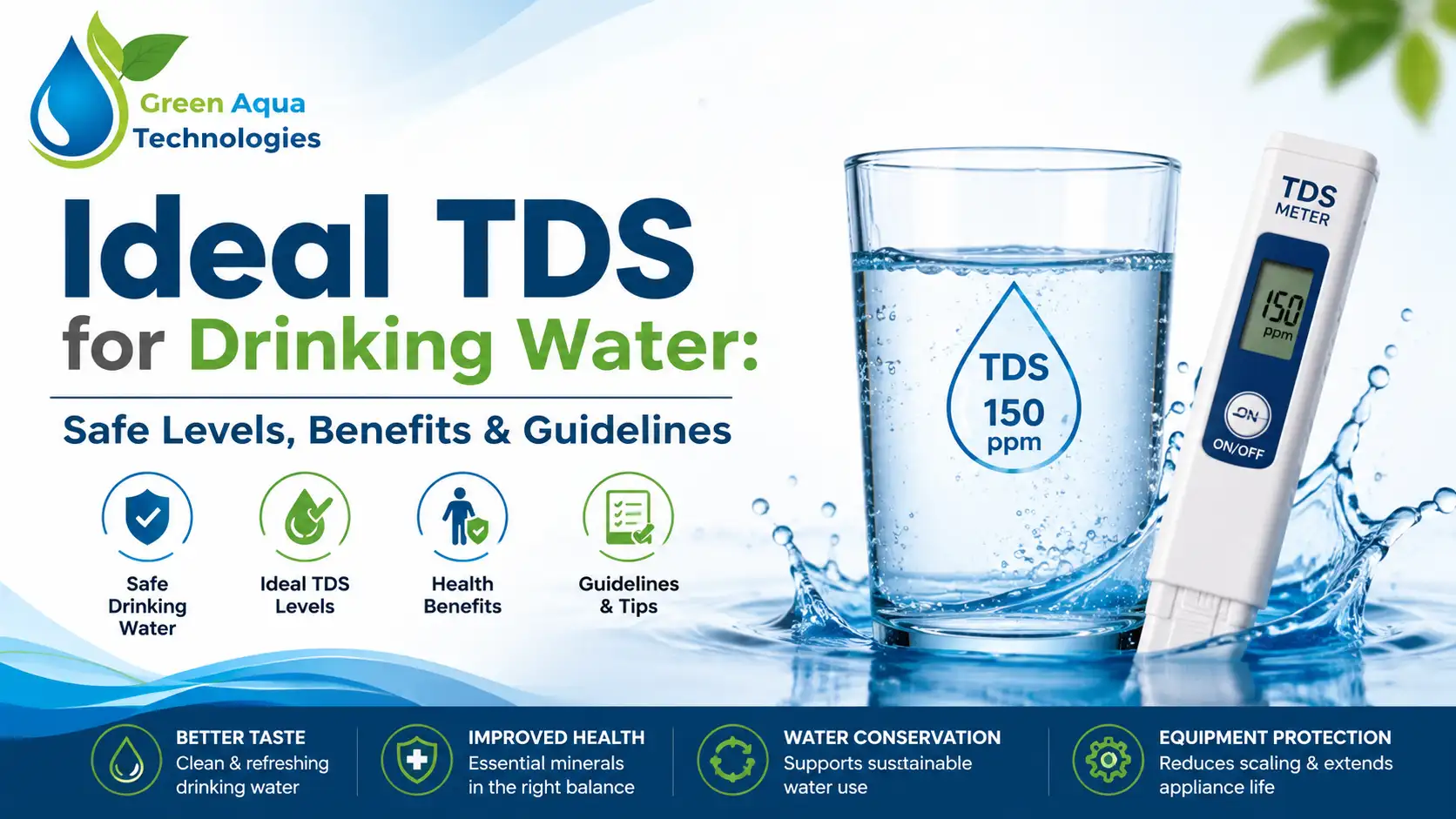
Water quality is a key for maintaining good health, and one of the best indicators of water quality is TDS (Total Dissolved Solids). TDS refers to the total concentration of dissolved minerals, salts, metals, and organic substances present in water. While some dissolved minerals are essential for health, excessive TDS can affect the taste, quality, and usability of drinking water.
Understanding the ideal TDS level for drinking water helps consumers ensure they are consuming safe and healthy water. Our guide helps to understand about Ideal TDA Level, we will discuss TDS, recommended levels, benefits, and important guidelines for maintaining optimal water quality.
What is TDS in Water?
TDS (Total Dissolved Solids) is the measure of all dissolved substances present in water. These substances may include:
- Calcium
- Magnesium
- Potassium
- Sodium
- Chlorides
- Sulfates
- Bicarbonates
- Trace minerals
TDS is typically measured in milligrams per liter (mg/L) or parts per million (ppm) using a TDS meter.
Ideal TDS Levels for Drinking Water
The ideal TDS (Total Dissolved Solids) level for drinking water generally ranges between 100 and 300 ppm (parts per million). Water within this range contains a balanced amount of essential minerals such as calcium, magnesium, and potassium, while maintaining a pleasant taste and good quality. While TDS levels up to 500 ppm are considered acceptable for drinking according to many standards, excessively high TDS can affect taste and indicate the presence of unwanted dissolved substances.
Maintaining the right TDS level is important for ensuring safe, healthy, and refreshing drinking water. Reverse Osmosis (RO) systems are commonly used to reduce high TDS levels and improve overall water quality.
Benefits of Maintaining Ideal TDS Levels
Better Taste
Water with balanced TDS levels typically tastes fresh and pleasant compared to water with very high or very low mineral content.
Essential Minerals
Moderate TDS levels contain beneficial minerals such as calcium and magnesium that support overall health.
Improved Hydration
Properly balanced drinking water is more suitable for daily consumption and hydration.
Protection of Appliances
Controlling TDS levels helps reduce scaling in pipelines, boilers, water heaters, and household appliances.
Enhanced Water Quality
Maintaining recommended TDS levels ensures water is cleaner, safer, and more suitable for drinking purposes.
Effects of High TDS in Drinking Water
When TDS levels become excessively high, several issues may occur:
- Salty or bitter taste
- Scale formation in pipes and equipment
- Reduced efficiency of appliances
- Potential presence of unwanted contaminants
- Poor overall water quality
High TDS is commonly found in groundwater sources and industrial areas where mineral concentrations are elevated.
Effects of Very Low TDS Water
Although low TDS water appears pure, extremely low mineral content may not always be desirable.
Potential concerns include:
- Flat or bland taste
- Lack of essential minerals
- Increased corrosiveness in some systems
This is why maintaining a balanced TDS level is important rather than simply aiming for the lowest possible reading.
How to Reduce High TDS Levels?
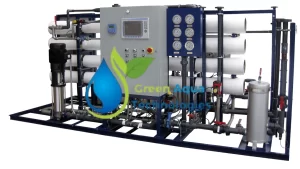
The most effective method for reducing excessive TDS is through a Reverse Osmosis (RO) Water Treatment System. RO technology removes dissolved salts, minerals, and impurities, producing clean and safe drinking water.
Other treatment methods may include:
- Demineralization Systems
- Ion Exchange Systems
- Water Softeners (for hardness control)
- Advanced Filtration Technologies
Importance of RO Plants in TDS Control
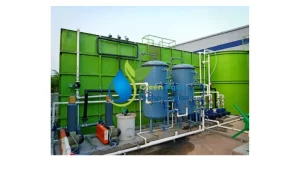
RO Plants are widely used in residential, commercial, and industrial applications to maintain water quality and achieve desired TDS levels. These systems are capable of treating groundwater, borewell water, municipal water, and industrial process water efficiently.
By removing dissolved contaminants and controlling mineral concentration, RO plants ensure safe and reliable drinking water for various applications.
Why Choose Green Aqua as RO Plant Manufacturers?
Green Aqua is a trusted RO Plant Manufacturers, providing advanced water treatment solutions for residential, commercial, and industrial sectors. Our company specializes in designing and manufacturing high-performance RO plants that effectively reduce TDS levels, remove impurities, and improve water quality. With a focus on innovation, reliability, and efficiency, we deliver customized water treatment systems tailored to diverse customer requirements.
Conclusion
TDS is an important parameter that determines the quality, taste, and suitability of drinking water. While both excessively high and extremely low TDS levels can present challenges, maintaining a balanced range of 100–300 ppm is generally considered ideal for drinking purposes. Regular water testing and the use of efficient treatment systems such as RO plants help ensure safe and healthy water for daily consumption.
For reliable water purification and advanced RO solutions, Green Aqua Technologies offers high-quality RO plants designed to deliver optimal water quality and maintain ideal TDS levels for residential, commercial, and industrial applications.