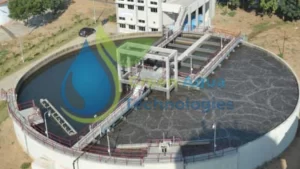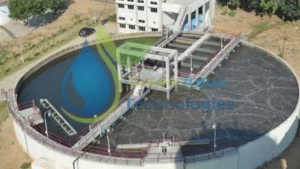
Hospitals generate a large amount of wastewater every day from various departments such as wards, laboratories, operation theatres, laundries, and kitchens. This wastewater contains harmful bacteria, chemicals, medicines, and organic matter that can pollute the environment if not treated properly. Therefore, installing a sewage treatment plant for hospitals is not only important but also mandatory as per pollution control guidelines.
In this blog, we will explain what a hospital sewage-treatment plant is, the STP full form in medical, the sewage treatment plant process, and how an STP sewage treatment plant works step by step. This guide will help hospitals and healthcare facilities understand the importance and working of STP systems.
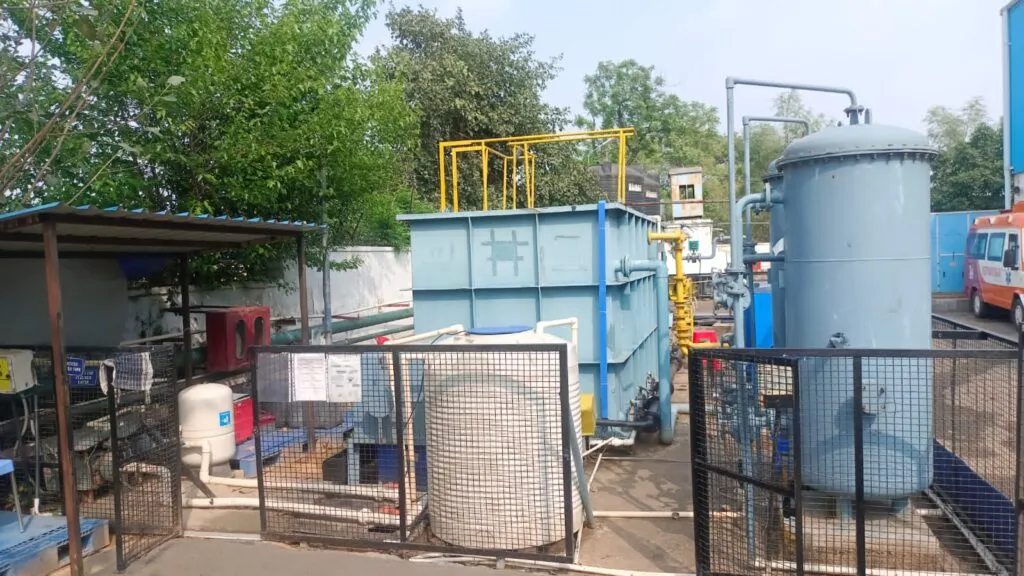
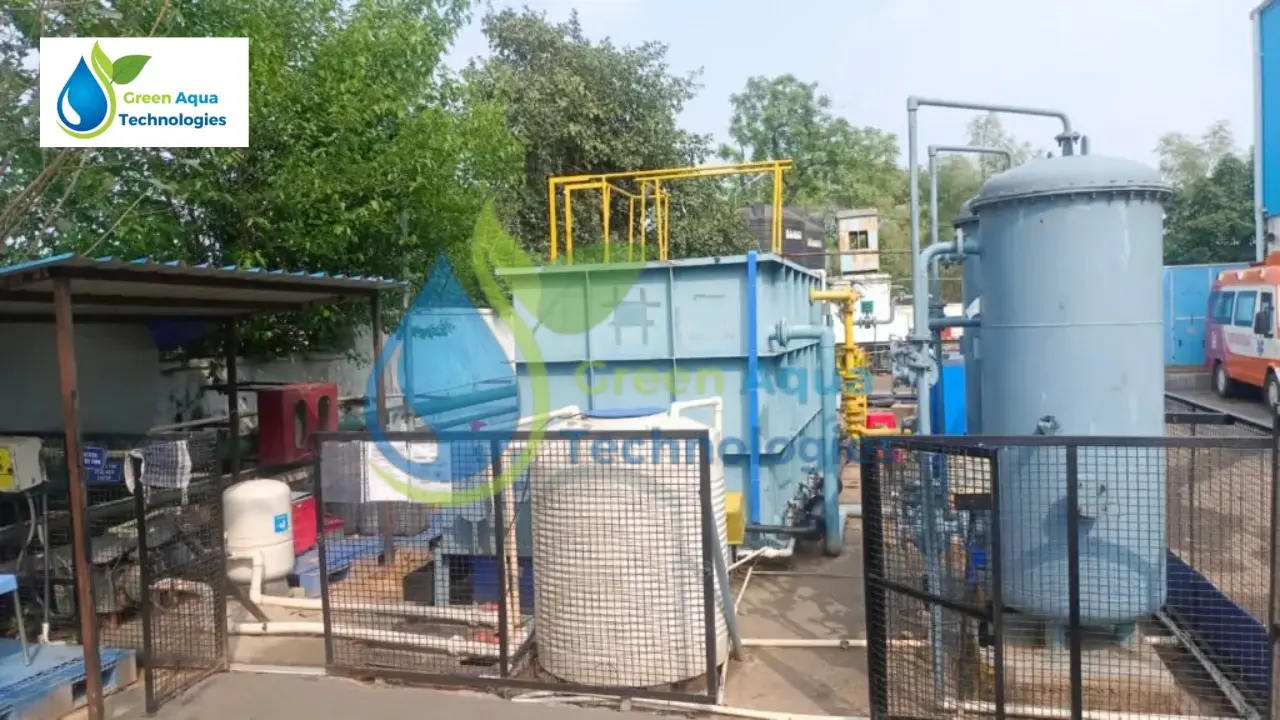
Sewage Treatment Plant For Hospital
What Is STP? (STP Full Form in Medical)
The STP full form in medical is Sewage Treatment Plant. In hospitals, an STP is a system designed to treat wastewater generated from medical and non-medical activities before it is discharged or reused.
A hospital STP removes pollutants, harmful microorganisms, organic matter, and suspended solids from wastewater. Proper treatment ensures that the treated water meets environmental standards and does not harm public health or natural water sources.
Importance of Sewage Treatment Plant for Hospital
A sewage treatment plant for hospital plays a vital role in maintaining hygiene and environmental safety. Hospital wastewater is more hazardous than domestic sewage because it may contain pathogens, disinfectants, antibiotics, and chemical residues.
Without proper treatment, this wastewater can contaminate groundwater, rivers, and soil. A well-designed STP sewage treatment plant helps hospitals comply with CPCB and State Pollution Control Board norms while supporting sustainable water management practices.
Types of Wastewater Generated in Hospitals
Hospitals generate wastewater from multiple sources. This includes wastewater from patient wards, diagnostic laboratories, operation theatres, outpatient departments, pharmacies, laundry units, and kitchens. Each source contributes different types of pollutants.
Because of this mixed nature of wastewater, the sewage-treatment plant process for hospitals is designed to handle both organic and chemical waste effectively.
Sewage Treatment Plant Process for Hospital
The sewage-treatment plant process in a hospital consists of multiple treatment stages. Each stage plays a specific role in removing contaminants from wastewater. The goal is to produce treated water that is safe for discharge or reuse.
Collection and Screening
The first step in the STP sewage treatment plant is the collection of wastewater from different hospital departments. The wastewater passes through bar screens that remove large solids such as plastics, cloth pieces, and other debris. This prevents damage to downstream equipment.
Equalization Tank (STP Tank Full Form)
The wastewater then enters the equalization tank. The STP tank full form is Sewage Treatment Plant Tank. The equalization tank balances the flow and pollutant load, ensuring uniform treatment in the next stages.
In hospitals, wastewater flow can vary throughout the day. The equalization tank helps stabilize this variation and improves overall treatment efficiency.
Biological Treatment Stage
Biological treatment is the heart of the sewage treatment plant for hospitals. In this stage, microorganisms break down organic matter present in the wastewater. Common biological processes used in hospital STPs include MBBR, MBR, and Activated Sludge Process.
These microorganisms convert harmful organic pollutants into simpler and safer compounds. This stage significantly reduces BOD and COD levels in the wastewater.
Secondary Clarification
After biological treatment, the wastewater flows into a secondary clarifier. Here, treated water is separated from biological sludge. The settled sludge is either recycled back to the biological tank or sent for sludge treatment.
This step improves water clarity and prepares it for further treatment or disinfection.
Disinfection and Tertiary Treatment
Disinfection is a critical step in a hospital STP sewage treatment plant. Since hospital wastewater contains pathogens, disinfection ensures that harmful microorganisms are eliminated.
Common disinfection methods include chlorination, UV treatment, or ozone treatment. In some cases, tertiary treatment such as sand filtration or activated carbon filtration is also used to further improve water quality.
Reuse of Treated Water
One of the major benefits of a hospital sewage treatment plant is water reuse. Treated water from the STP can be reused for gardening, flushing, cooling towers, and floor cleaning.
This reduces freshwater consumption and helps hospitals lower their water bills while supporting sustainable practices.
Sludge Treatment and Disposal
During the sewage treatment plant process, sludge is generated as a by-product. This sludge is treated separately through sludge drying beds or mechanical dewatering systems.
Proper sludge management is essential to prevent environmental pollution and ensure compliance with waste disposal regulations.
Advantages of STP Sewage Treatment Plant for Hospital
Installing a dedicated sewage treatment plant for hospitals offers several advantages. It helps hospitals comply with environmental regulations, protects public health, and reduces environmental impact.
An efficient STP sewage treatment plant also allows water reuse, reduces dependency on freshwater sources, and improves the hospital’s overall sustainability profile.
Why Choose Green Aqua Technologies?
Green Aqua Technologies specializes in designing, manufacturing, and installing reliable sewage treatment plants for hospitals. Our systems are manufactured to handle hospital-specific wastewater challenges and meet all regulatory requirements.
We offer customized STP solutions based on hospital size, wastewater quantity, and available space. Our focus is on energy-efficient design, low maintenance, and long-term performance.
Conclusion
A Hospital Sewage Treatment Plant and its Working Process is an essential part of modern healthcare infrastructure. Understanding the STP full form in medical, the sewage treatment plant process, and the role of each STP tank full form helps hospitals make informed decisions.
An efficient STP sewage treatment plant ensures safe wastewater treatment, environmental protection, and sustainable water management. With expert solutions from Green Aqua Technologies, hospitals can achieve compliance, efficiency, and long-term operational benefits.