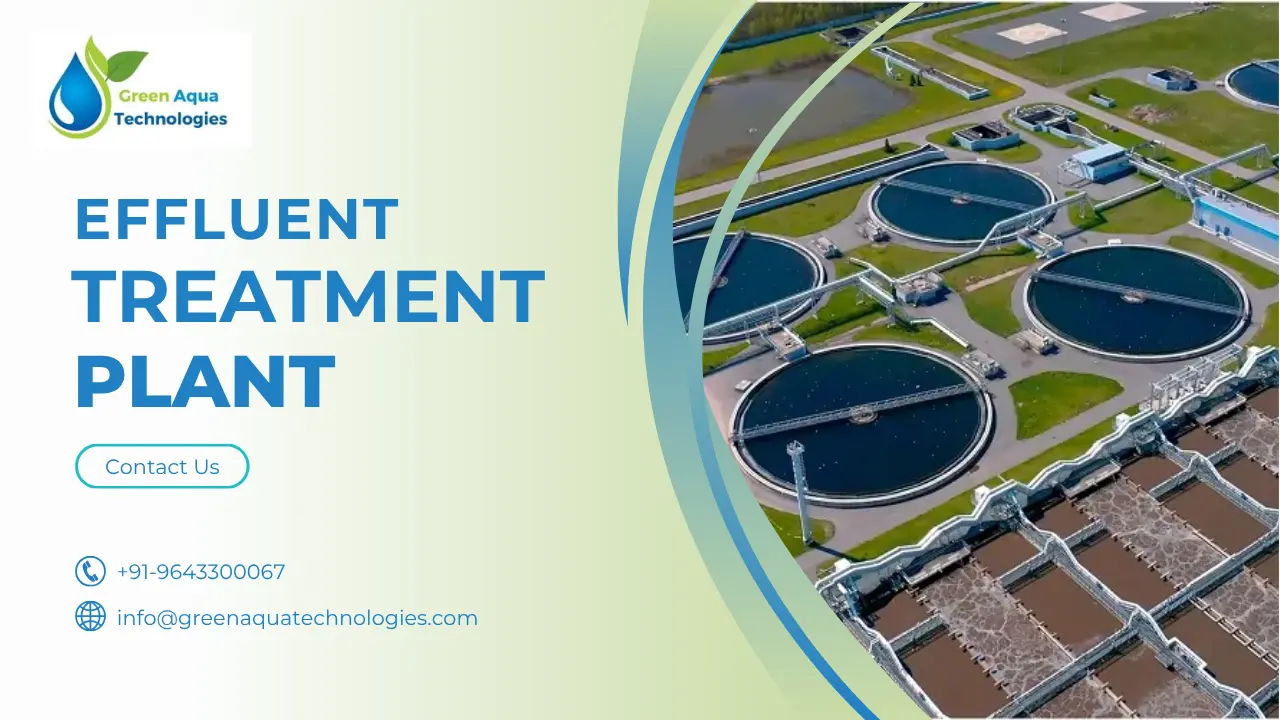
In today’s industrial world, managing wastewater is one of the biggest responsibilities for any business. Industries generate large amounts of wastewater that contain harmful chemicals, oils, and pollutants. If this water is released without treatment, it can seriously harm the environment and human health. This is where an effluent treatment plant plays an important role.
In this detailed guide by Green Aqua Technologies, we will explain what an effluent treatment plant is, how it works, its process, and why it is essential for modern industries.
What Is an Effluent Treatment Plant?
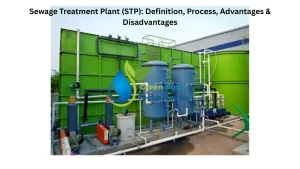
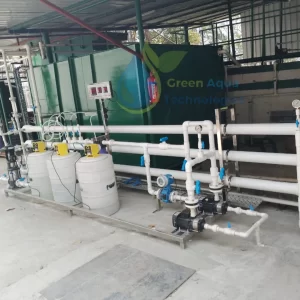
An effluent treatment plant (ETP) is a system designed to treat industrial wastewater before it is discharged into the environment or reused. The main purpose of an effluent water treatment plant is to remove harmful contaminants and make the water safe.
Industries like textiles, chemicals, pharmaceuticals, food processing, and manufacturing generate wastewater that cannot be released directly. An industrial effluent treatment plant ensures that this water is properly treated and meets environmental standards.
Why Are Effluent Treatment Plants Important?
Understanding what is effluent treatment plant is also includes knowing its importance. Without proper treatment, industrial wastewater can:
- Pollute rivers, lakes, and groundwater
- Harm aquatic life
- Affect human health
- Lead to legal penalties for industries
By installing effluent treatment plants, businesses can reduce pollution, follow government regulations, and promote sustainable operations.
How Does an Effluent Treatment Plant Work?
The working of an effluent water treatment plant involves multiple stages. Each stage removes different types of impurities from the wastewater.
- Preliminary Treatment- This is the first stage where large particles like plastic, sand, and debris are removed using screens and grit chambers.
- Primary Treatment- In this stage, suspended solids settle down in large tanks. Oils and grease are also separated from the water.
- Secondary Treatment- This stage uses biological processes. Microorganisms break down organic matter present in the wastewater. This is an important step in any industrial effluent treatment plant.
- Tertiary Treatment- Advanced treatment methods like filtration, chemical dosing, and disinfection are used to remove remaining impurities and harmful bacteria.
- Sludge Treatment- The solid waste collected during the process is treated and disposed of safely.
Through these steps, effluent treatment plants ensure that the water is clean and safe for discharge or reuse.
Types of Effluent Treatment Plants
Different industries have different wastewater characteristics, so there are various types of effluent treatment plants available:
- Chemical ETP- Uses chemicals to remove contaminants and adjust pH levels.
- Biological ETP- Uses bacteria and microorganisms to treat organic waste.
- Physical ETP- Involves physical processes like filtration and sedimentation.
- Advanced ETP Systems- Includes technologies like reverse osmosis (RO) and evaporation systems for higher purification levels.
Each effluent water treatment plant is designed based on the specific needs of the industry.
Applications of Effluent Treatment Plants
Industrial effluent treatment plants are widely used across many sectors, such as:
- Textile and dyeing industries
- Pharmaceutical companies
- Chemical manufacturing units
- Food and beverage industries
- Paper and pulp industries
- Oil and gas sectors
These industries rely on effluent treatment plants to manage their wastewater safely and efficiently.
Benefits of Effluent Treatment Plants
Installing an effluent water treatment plant offers many advantages:
- Environmental Protection- Prevents harmful pollutants from entering natural water sources.
- Water Reuse- Treated water can be reused in industrial processes, reducing water consumption.
- Cost Savings- Reduces the cost of fresh water and wastewater disposal.
- Legal Compliance- Helps industries meet pollution control norms and avoid penalties.
- Improved Brand Image- Shows that your business cares about sustainability and the environment.
Key Features of a Good Effluent Treatment Plant
A well-designed industrial effluent treatment plant should have:
- High treatment efficiency
- Easy operation and maintenance
- Low energy consumption
- Durable construction
- Custom design based on industry needs
Choosing the right system ensures long-term performance and reliability.
Why Choose Green Aqua Technologies?
When it comes to reliable effluent treatment plants, Green Aqua Technologies is a trusted name in the industry. We specialize in designing and manufacturing advanced wastewater treatment solutions tailored to different industrial requirements.
Our strengths include:
- Customized plant design
- Use of modern technology
- High-quality components
- Expert installation and support
- Strong after-sales service
We help industries not just treat wastewater, but also move towards sustainable and responsible operations.
Tips for Maintaining an Effluent Treatment Plant
To ensure smooth working of your effluent water treatment plant, follow these simple tips:
- Regularly monitor water quality
- Maintain proper chemical dosing
- Clean filters and tanks periodically
- Train operators properly
- Schedule routine maintenance checks
Proper maintenance increases the life of your plant and ensures consistent performance.
Conclusion
So, what is effluent treatment plant? It is an essential system that helps industries treat wastewater safely and protect the environment. With increasing environmental concerns and strict regulations, having an efficient industrial effluent treatment plant is no longer an option—it is a necessity.
From removing harmful pollutants to enabling water reuse, effluent treatment plants offer a complete solution for wastewater management.
If you are looking for reliable and efficient solutions, Green Aqua Technologies is here to help you with advanced effluent water treatment plant systems designed for long-term performance.