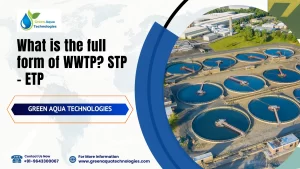
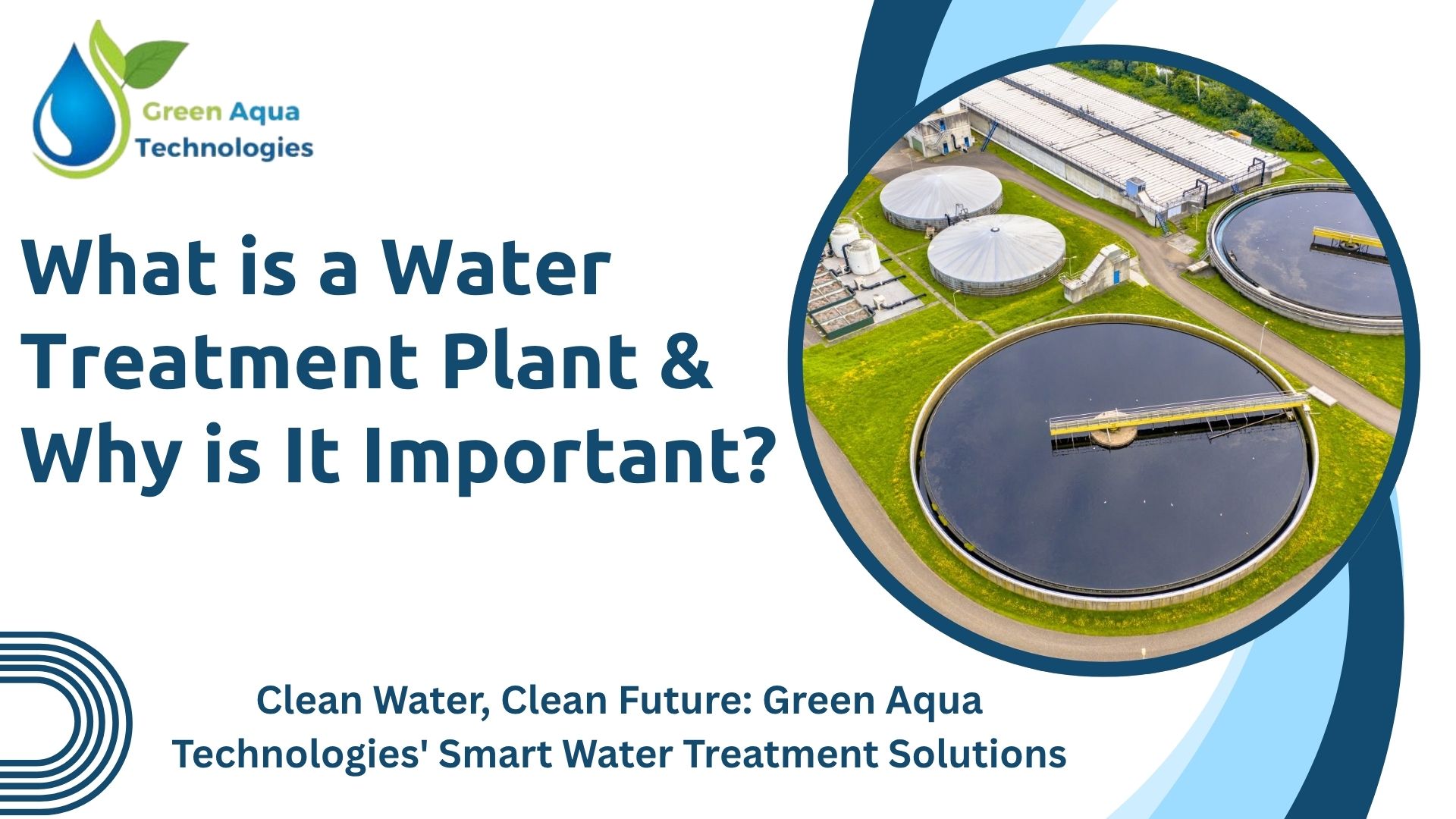
Many people often ask what is water treatment plant and how it helps society. A water treatment plant is a system designed to remove impurities, contaminants, and harmful substances from raw water or wastewater, making it safe for consumption, reuse, or environmental discharge. The treatment process may include physical, chemical, and biological methods depending on the quality of incoming water and the required output standards.
In simple words, a WTP water treatment plant converts polluted water into usable water by removing dirt, bacteria, chemicals, and dissolved solids.
What is WTP? | WTP Full Form Explained
If you are searching what is WTP, the WTP full form is Water Treatment Plant. A WTP is used for treating drinking water, industrial process water, and wastewater generated from residential, commercial, and industrial sources. Different designs of WTP are used based on application needs, water quality, and reuse requirements.
Today, advanced WTP water treatment plant systems are designed to ensure high efficiency, low maintenance, and compliance with environmental norms.
Why is a Water Treatment Plant Important?
The importance of a water treatment plant lies in its ability to protect public health and the environment. Untreated water contains harmful microorganisms, toxic chemicals, heavy metals, and organic waste that can cause serious diseases and environmental damage. By treating water before use or disposal, a WTP ensures safety and sustainability.
A water treatment plant helps prevent waterborne diseases, protects rivers and groundwater from pollution, and ensures safe water availability for domestic and industrial use. In industries and hospitals, treated water is essential to maintain hygiene standards and smooth operations. Moreover, treated wastewater can be reused for non-potable purposes such as gardening, flushing, and cooling systems, helping conserve freshwater resources.
How Does a Water Treatment Plant Work?
To understand what is water treatment plant in practical terms, it is important to know its working process. A typical water treatment plant operates through multiple stages to remove contaminants step by step.
Initially, large particles such as plastics, leaves, and debris are removed through screening. After this, chemicals are added during coagulation and flocculation to bind fine particles together. These heavier particles settle down during sedimentation. The water then passes through filtration units to remove smaller impurities. Finally, disinfection is carried out using chlorine, UV, or ozone to eliminate harmful microorganisms. After completing these steps, the water becomes safe for use or discharge.
Waste Water Treatment Methods and Their Role
Along with freshwater treatment, waste water treatment methods are equally important. Wastewater generated from homes, hospitals, hotels, and industries contains organic matter, chemicals, oils, and pathogens that cannot be released directly into the environment.
There are different wastewater treatment methods used to treat sewage and industrial effluent. Primary treatment focuses on removing large and settleable solids through physical processes. Secondary treatment uses biological processes where microorganisms break down organic pollutants. Tertiary treatment further improves water quality using advanced filtration and disinfection, making it suitable for reuse.
Modern waste water treatment methods play a vital role in reducing pollution load and supporting water recycling initiatives.
Advanced Wastewater Treatment Methods Used in Modern WTPs
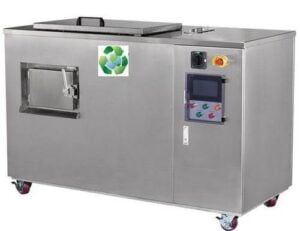
With technological advancements, modern wastewater treatment methods have become more efficient and compact. Technologies such as MBBR, MBR, SBR, Reverse Osmosis, and UV disinfection are widely used in advanced WTP water treatment plant systems. These systems offer better treatment efficiency, reduced space requirements, and high-quality treated water output.
Such advanced systems are especially useful in hospitals, commercial complexes, and industries where water quality standards are strict and reuse potential is high.
Applications of Water Treatment Plant
A water treatment plant is used across various sectors. Municipal bodies rely on WTPs to supply clean drinking water to cities. Industries use treated water for manufacturing and cooling processes. Hospitals and healthcare facilities depend on WTPs to maintain hygiene and manage wastewater safely. Hotels, residential societies, and commercial buildings also use WTP systems for water conservation and reuse.
In all these sectors, installing a reliable water treatment plant ensures environmental protection and long-term cost savings.
Green Aqua Technologies – Reliable Water Treatment Solutions
Green Aqua Technologies is a leading name in providing advanced water and wastewater treatment solutions. We specialize in designing and supplying customized water treatment plant systems using proven and advanced wastewater treatment methods. Our solutions are to meet the specific needs of industries, hospitals, commercial establishments, and residential projects.
With a strong focus on quality, efficiency, and environmental compliance, Green Aqua Technologies ensures long-lasting and cost-effective WTP water treatment plant solutions.
Conclusion
In today’s world, understanding what is a water treatment plant is essential for responsible water management. A WTP not only protects human health but also plays a crucial role in environmental conservation and water reuse. From basic filtration to advanced wastewater treatment methods, water treatment plants are the backbone of sustainable development.
As water scarcity and pollution continue to rise, investing in a high-quality water treatment plant is no longer a choice but a necessity. With the right technology and expert support from companies like Green Aqua Technologies, clean and safe water can be ensured for future generations.