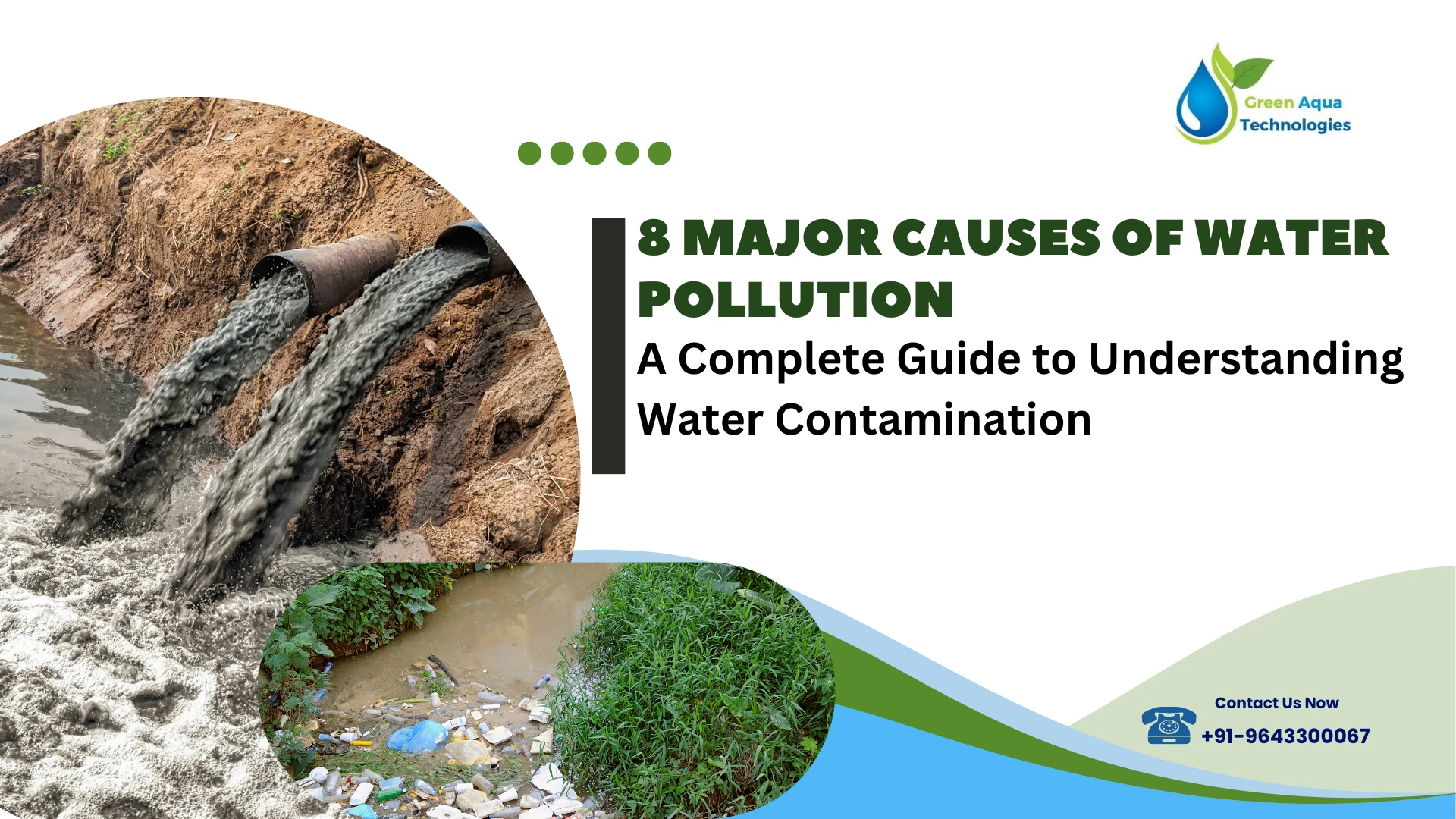
Water is one of the most precious natural resources we have, yet every year millions of litres of clean water get contaminated due to human activities. Understanding the causes of water pollution is the first step toward protecting our lakes, rivers, ponds, and groundwater. In this blog, we will explore the major water pollution causes, their impact, and how industries and individuals can take preventive actions. Green Aqua Technologies, as a leading water treatment company, aims to spread awareness and promote solutions that help in reducing water pollution at every level.
Also Read: What is the full form of WWTP? STP – ETP
Introduction: Why Understanding Water Pollution is Important?
Water pollution is increasing at an alarming rate. Contamination from industrial waste, agricultural chemicals, sewage discharge, and plastic waste is damaging marine life, making water unsafe for drinking, and destroying natural ecosystems. Many people still do not know the sources of water pollution, which leads to careless waste disposal. To protect the environment, it is important to understand the 8 major causes of water pollution and how they impact our daily lives.
1. Industrial Waste – One of the Biggest Causes of Water Pollution
Industries like textile, chemical, pharmaceutical, oil refineries, tanneries, and food processing release wastewater directly into rivers and drains. This toxic wastewater contains chemicals, heavy metals, dyes, acids, oils, and harmful organic pollutants.
How industrial waste pollutes water?
- Industries discharge untreated effluent
- Chemicals mix with fresh water
- Aquatic life gets affected
- Water becomes unsafe for drinking
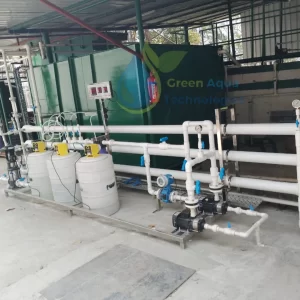
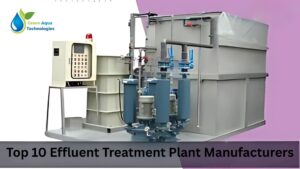
This is one of the most harmful water pollution causes, and strict treatment using ETPs (Effluent Treatment Plants) is necessary to protect natural water bodies.
2. Sewage & Wastewater – A Major Source of Water Pollution
Domestic sewage is one of the most common sources of water pollution in cities and villages. Over 70% of wastewater in India is discharged into rivers without proper treatment.
What does sewage contain?
- Human waste
- Soap & detergent
- Food waste
- Household chemicals
- Plastic and microplastics
When sewage mixes with fresh water, it reduces oxygen levels and becomes a breeding ground for harmful bacteria.
3. Agricultural Runoff – Chemicals That Enter Water Sources
Modern agriculture uses heavy amounts of fertilizers, pesticides, and insecticides. During rainfall or irrigation, these chemicals mix with soil and flow into nearby ponds, canals, or rivers.
Why is this dangerous?
- Chemicals increase nitrate levels in water
- Causes algal bloom
- Kills fish and aquatic plants
- Contaminates groundwater
This agricultural runoff is one of the silent but dangerous causes of water pollution.
4. Plastic Waste – A Growing Threat to Water Bodies
Plastic bottles, bags, wrappers, fishing nets, and microplastics are found in almost every lake and ocean. Plastic takes hundreds of years to decompose, making it one of the most harmful water pollution causes today.
Effects of plastic pollution:
- Marine animals swallow plastic
- Microplastics enter the human food chain
- Clogged drains cause floods
- Ecosystems are permanently damaged
- Reducing single-use plastic is the only solution.
5. Oil Spills – A Severe Source of Water Pollution
Oil spills from ships, tankers, or offshore drilling platforms cause severe damage to oceans. Even a small amount of oil forms a thick layer on water, blocking sunlight and oxygen.
Impact of oil spills:
- Fish, birds, and marine mammals die
- Entire coastal ecosystems collapse
- Water becomes toxic for years
- Oil spills are one of the most destructive sources of water pollution worldwide.
6. Household Chemicals & Cleaning Products
Many people unknowingly contribute to water pollution through products used daily at home. Cleaning liquids, bleach, paints, automotive oils, medicines, and personal care products flow directly into drains.
Why are household chemicals harmful?
- They contain toxic compounds
- Kill beneficial microorganisms
- Increase chemical load in sewage
- Contaminate groundwater
- Proper disposal and eco-friendly alternatives are essential.
7. Mining Activities – Heavy Metal Pollution
Mining operations release heavy metals such as mercury, lead, arsenic, and cadmium into water bodies. These metals mix with groundwater and surface water, making the water extremely toxic. Effects of mining pollution:
- Water becomes unsafe for drinking
- Soil becomes infertile
- Aquatic life is destroyed
- Long-term health issues in humans
- Mining wastewater treatment systems are necessary to control this major water pollution cause.
8. Thermal Pollution – Discharge of Hot Water
Industries like power plants, steel plants, and manufacturing units release hot water directly into rivers. This sudden temperature rise is known as thermal pollution.
How thermal pollution affects water?
- Reduces oxygen level
- Disturbs aquatic life
- Alters breeding cycles of fish
- Decreases biodiversity
- Although less visible, thermal discharge is also one of the important causes of water pollution.
How Can We Reduce Water Pollution? Practical Solutions?
Understanding the sources of water pollution is not enough; taking corrective action is equally important. Some effective steps include:
- Installing STP (Sewage Treatment Plants) in residential and commercial areas
- Using ETP and ZLD systems in industries
- Reducing use of pesticides and fertilizers
- Avoiding plastic and adopting reusable alternatives
- Proper disposal of household chemicals
- Rainwater harvesting for groundwater protection
- Promoting public awareness
Green Aqua Technologies provides advanced water and wastewater treatment solutions that help industries and communities reduce pollution effectively.
Conclusion
Water pollution is a global problem that affects the environment, animals, and human life. By understanding the 8 major causes of water pollution, we can take steps to reduce contamination and protect our water bodies. Whether it is industrial waste, sewage, plastic pollution, or agricultural chemicals, each of these factors contributes significantly to water pollution.
Green Aqua Technologies is committed to creating a cleaner and safer environment through high-quality water treatment systems. Together, we can minimize pollution and preserve our natural resources for future generations.