Effluent Treatment Plant For Electroplating Industry
Green Aqua Technologies is a leading manufacturer and supplier of Effluent Treatment Plants for the Electroplating Industry, providing advanced and customized wastewater treatment solutions that help industries achieve sustainable operations and environmental compliance.
Electroplating industries use heavy metals, acids, alkalis, chromium, nickel, zinc, copper, cyanides, and various chemical solutions for surface coating and metal finishing. As a result, they generate hazardous wastewater containing toxic pollutants, making an Effluent Treatment Plant (ETP) in the Electroplating Industry is essential for safe treatment, recycling, and regulatory compliance.
ETP Plant for Electroplating Industry
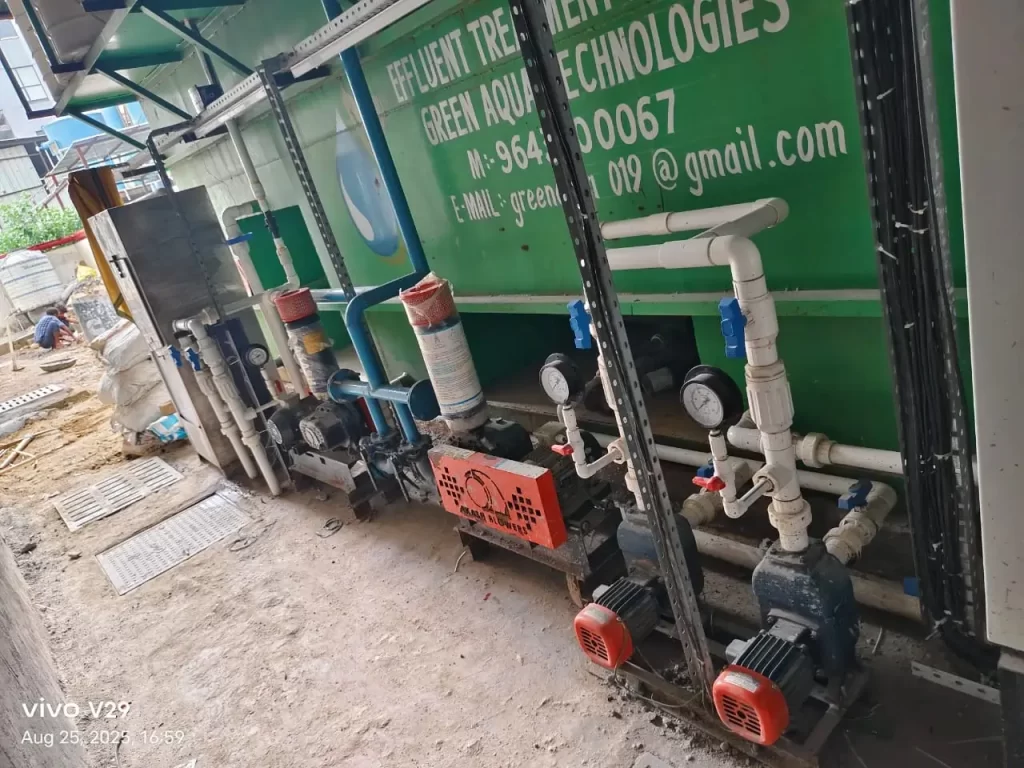
An Effluent Treatment Plant is a specialized wastewater treatment system designed to remove toxic contaminants generated during electroplating processes. It combines physical, chemical, and biological treatment methods to reduce pollutants and produce treated water that meets discharge or recycling standards.
Sources of Wastewater in the Electroplating Industry
Wastewater is generated from various electroplating operations, including:
- Metal plating processes
- Acid and alkaline cleaning
- Rinsing operations
- Pickling and surface preparation
- Electrochemical coating
- Degreasing processes
- Equipment cleaning
- Floor washing and maintenance
Importance of an ETP in the Electroplating Industry
Installing an Effluent Treatment Plant provides several benefits, including:
- Removes heavy metals and toxic chemicals effectively
- Meets CPCB and SPCB pollution control norms
- Reduces environmental pollution
- Enables water recycling and reuse
- Lowers freshwater consumption
- Improves workplace safety
- Minimizes wastewater disposal costs
Industries That Use Electroplating ETPs
These treatment systems are widely used in:
- Electroplating Plants
- Metal Finishing Industries
- Automotive Component Manufacturers
- Hardware Manufacturing Units
- Fastener Manufacturing Industries
- Electrical & Electronic
- Component Industries
- Aerospace Component Manufacturing
- Engineering and Fabrication Industries
Effluent Treatment Plant for electroplating industries ensure safe wastewater management, regulatory compliance, and sustainable manufacturing. For efficient wastewater treatment Green Aqua Technologies offers high-performance Electroplating Effluent Treatment Plants designed specifically for electroplating industries. Our systems are engineered to handle complex wastewater streams while ensuring efficient contaminant removal, operational reliability, and long-term performance.